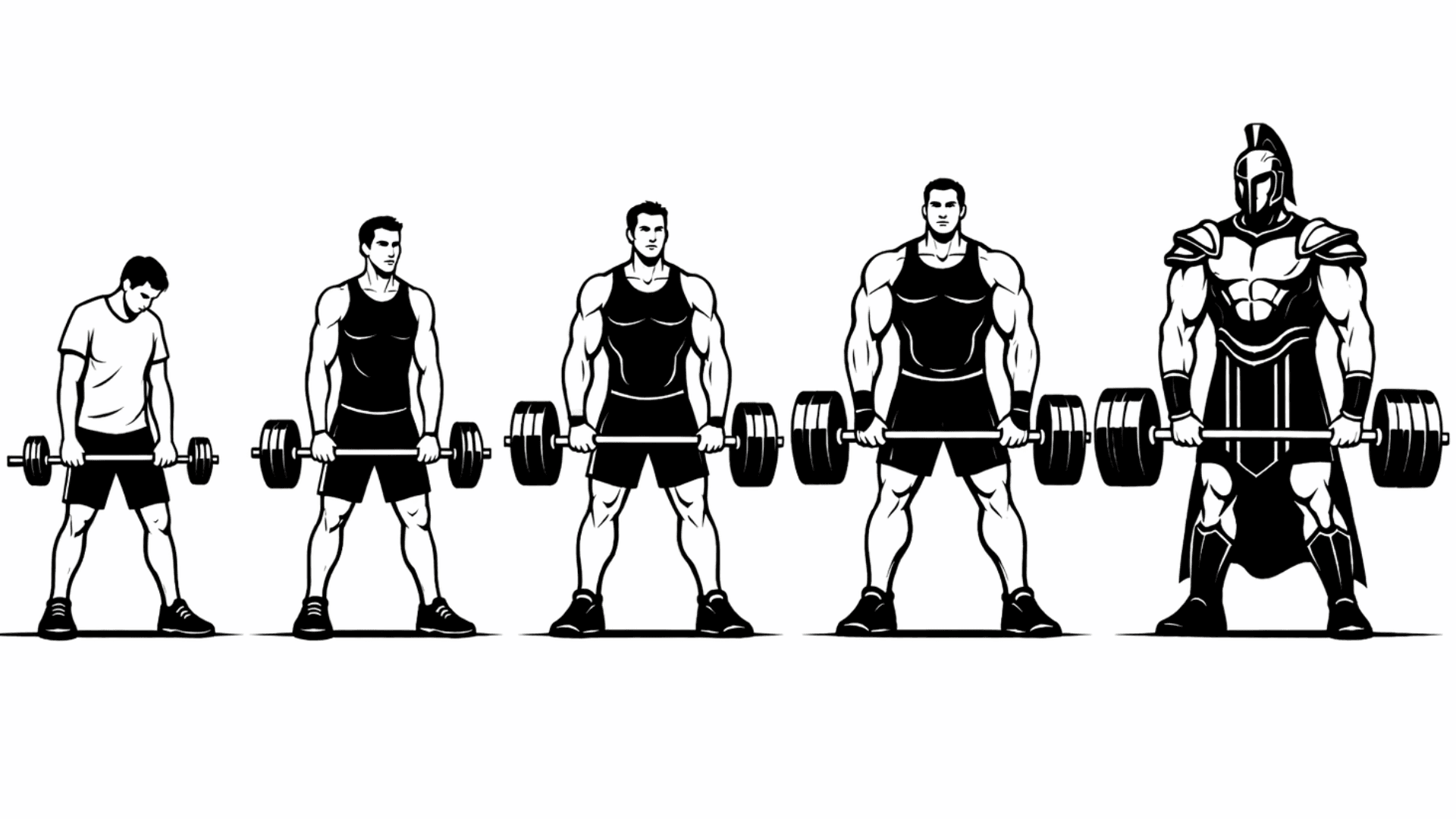
Wrestling demands strength, grip, and repeatable power. Beginners do not need fancy programs. They need consistent compound lifts, smart progression, and recovery that lets them show up fresh for practice. This guide focuses on what actually moves the needle for wrestling performance.
TL;DR
- Build a base with squat, bench, deadlift, and rows.
- Keep training simple and add weight in small jumps.
- Train grip and posterior chain with minimal accessories.
- Do not let conditioning wipe out your strength work.
- Eat and sleep enough to recover from practice and lifting.
What to do this week
- Choose a simple plan like Starting Strength or GZCLP.
- Lift 2 to 3 times per week with the main lifts first.
- Add one grip focused accessory after your main lifts.
- Track bar speed and repeat weights if reps get slow.
- Review Technique Priorities to keep form consistent.
The strength priorities for wrestling
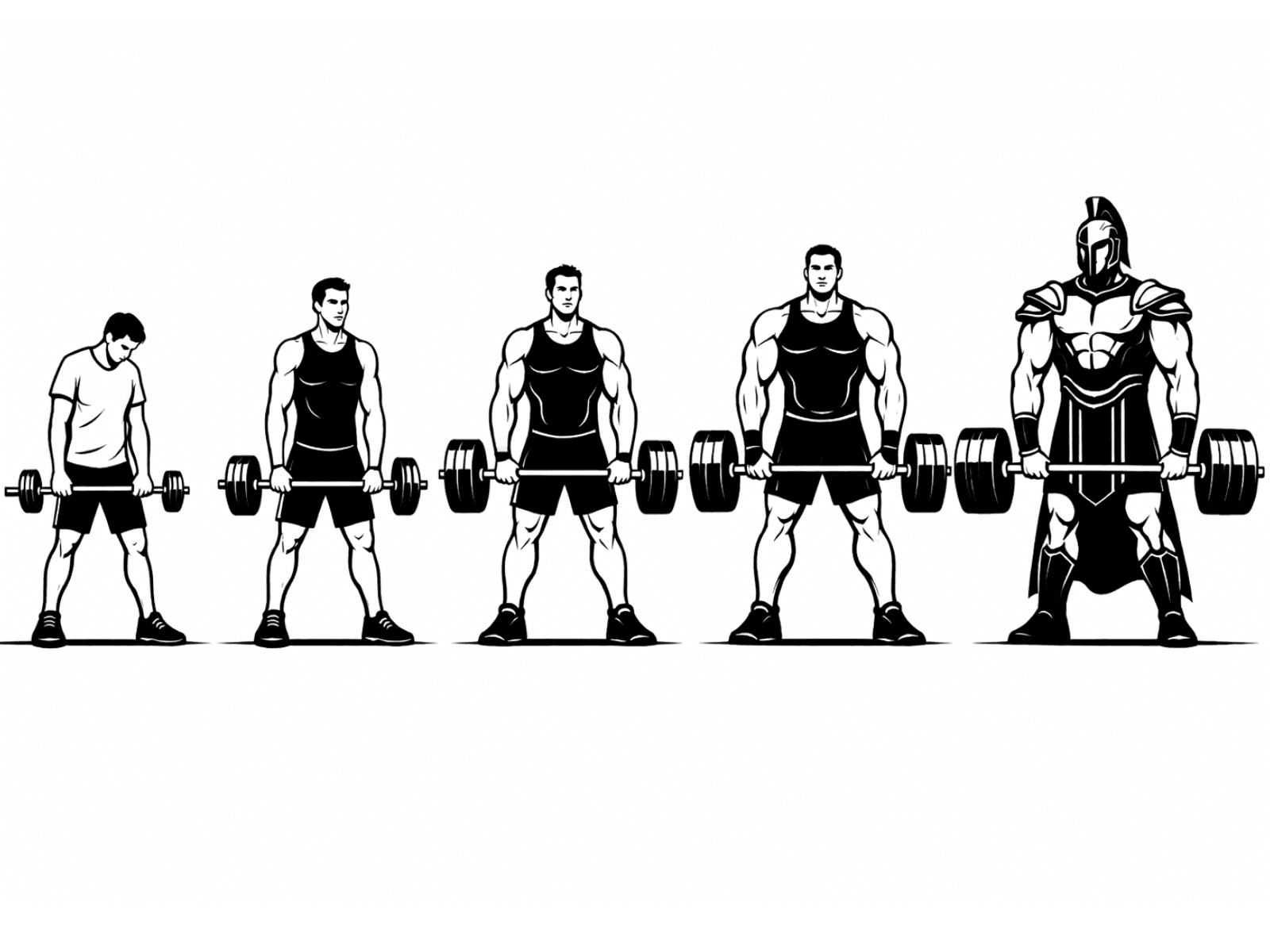
Wrestlers need strength that shows up in short, repeated efforts. The best way to build that is a strong base in the big lifts.
Top priorities:
- Squat for leg drive and base
- Deadlift or hinge for posterior chain
- Bench or press for pushing strength
- Rows and pulls for upper back and grip
Evidence note: Add sources on strength training and performance in combat sports.
You should know
If your strength work is inconsistent, your conditioning will do less for you on the mat.
Strength targets for beginners
You do not need advanced metrics. Track consistent progress on the main lifts and keep reps clean.
- Add small weight jumps each session while form stays sharp.
- If bar speed slows for multiple sessions, repeat the weight and fix technique.
- Use the same warm up pattern so your body knows what to expect.
This approach builds strength without stealing energy from practice.
Strength that transfers to wrestling positions
Wrestling is about controlling positions. Strength that transfers is strength you can apply from solid positions.
- Train full range of motion with control.
- Build strength in the mid range where you fight for control.
- Use pauses to own the hardest positions.
This keeps your strength useful when a match gets chaotic. If a lift does not help your positions, keep it simple and move on.
Grip work that actually helps
Grip is a limiter in wrestling, but it is also easy to overdo. Keep it simple and consistent.
Good options:
- Farmer carries
- Towel pull ups or rows
- Barbell holds at the end of a deadlift set
Pick one or two options per week. Do not turn grip work into a full second workout.
Neck and trunk strength
Wrestling demands strong neck and trunk control, but this should be trained carefully.
Good options:
- Isometric neck holds with a partner or harness
- Controlled planks and carries
- Anti rotation work with bands
Keep volume low and focus on clean positions. These are support lifts, not main lifts.
Posterior chain first
Most wrestling positions demand strong hips and a stable back. Prioritize the posterior chain.
- Use deadlifts or RDLs weekly.
- Use hip hinges before curls or small accessories.
- Keep hamstring and glute work heavy and simple.
You should know
A strong posterior chain makes takedowns and sprawls feel lighter.
How to balance lifting with practice
Practice is already hard. You do not need to crush yourself in the weight room.
- Lift on days with lighter practice volume when possible.
- Keep lifting sessions under 60 minutes.
- Avoid heavy lifting right before hard sparring.
If practice load is high, reduce lifting volume before you reduce intensity. This keeps strength up without adding fatigue.
Warm ups and mobility that matter
Wrestlers are often stiff from practice. Keep warm ups short and focused.
- Use a quick general warm up to raise body temperature.
- Add a few movement specific drills like hip hinges and shoulder circles.
- Then start your normal ramp sets for the main lift.
If you already use mobility work, keep it short and consistent rather than random every session.
Conditioning without ruining strength
Wrestling needs conditioning, but too much conditioning will cut into strength gains.
Rules for beginners:
- Keep conditioning short and specific.
- Use intervals instead of long slow sessions during heavy lifting blocks.
- Separate hard conditioning from heavy lifting by at least 6 hours if possible.
Read Conditioning Without Killing Strength for the full framework.
How it changes once LP ends
When linear progression slows, move to a plan with more structure and planned deloads. 5/3/1 for Beginners is a strong option because it controls volume while keeping intensity.
If you are unsure about timing, read When You are Not a Novice Anymore.
In-season adjustments
When practice intensity rises, reduce lifting volume before you reduce intensity.
- Keep main lifts heavy but use fewer sets.
- Remove extra accessories if you are sore for multiple days.
- Use short deloads when bar speed slows.
This keeps strength without adding fatigue to a heavy season.
Tournament weeks
During tournament weeks, reduce lifting volume early in the week and focus on staying fresh.
- Keep one short lift early in the week.
- Use lighter loads and stop with reps in reserve.
- Prioritize sleep and hydration before travel.
Strength maintenance is the goal. You will get more out of the tournament if you are fresh than if you are tired from extra lifting.
After tournament weekends, give yourself a light recovery day before returning to normal lifting. Use walking, light mobility, and a full meal. A single good recovery day can keep the rest of the week on track. If you feel flat during warm ups, lower the top sets by 5 to 10 percent and focus on clean reps. You will get more out of practice when you are not grinding through fatigue. This is a long season. The athlete who stays healthy and consistent usually wins more than the one who pushes every session to the edge.
Sample week for a beginner wrestler
This sample keeps lifting short and repeatable around practice.
- Day 1: Squat, bench, row, carries
- Day 2: Deadlift, press, pull ups, grip work
- Day 3: Squat, bench, hinge accessory, core work
Keep total lifting time under 60 minutes. If practice is heavy, remove one accessory and keep the main lifts.
Common mistakes
- Doing too much conditioning after hard practice days.
- Skipping the main lifts because accessories feel easier.
- Letting weight changes drop energy and recovery.
- Adding too many new exercises at once.
Pillars Check
Wrestling strength improves when all three pillars support the plan.
Workout
- Keep compound lifts first and use small progression jumps.
- Track bar speed and repeat weights when needed.
Diet
- Eat enough to recover from practice and lifting.
- Do not chase aggressive weight changes during heavy training blocks.
Recovery
- Sleep protects strength and helps you handle practice intensity.
- Use deloads when bar speed slows for multiple sessions.
See the Workout, Diet, and Recovery pillars for deeper guidance.
Related reading
FAQ
How many days should a wrestler lift each week?
Most beginners do best with two to three short lifting days so practice recovery stays strong.
Do I need Olympic lifts for wrestling?
No. You can build plenty of power with squats, deadlifts, and jumps.
How much grip work is enough?
One or two simple grip exercises per week is enough for most beginners.
Should I lift during the season?
Yes, but reduce volume. Maintenance lifts keep strength without adding fatigue.
What should I read next?
Read Wrestling Weight Management and Recovery 101.
Sources (to add)
Evidence note: Add citations on strength training, grip performance, and injury prevention in wrestling.
- Add source: Strength training and wrestling performance outcomes.
- Add source: Posterior chain strength and athletic performance.
- Add source: Conditioning balance during skill sports seasons.