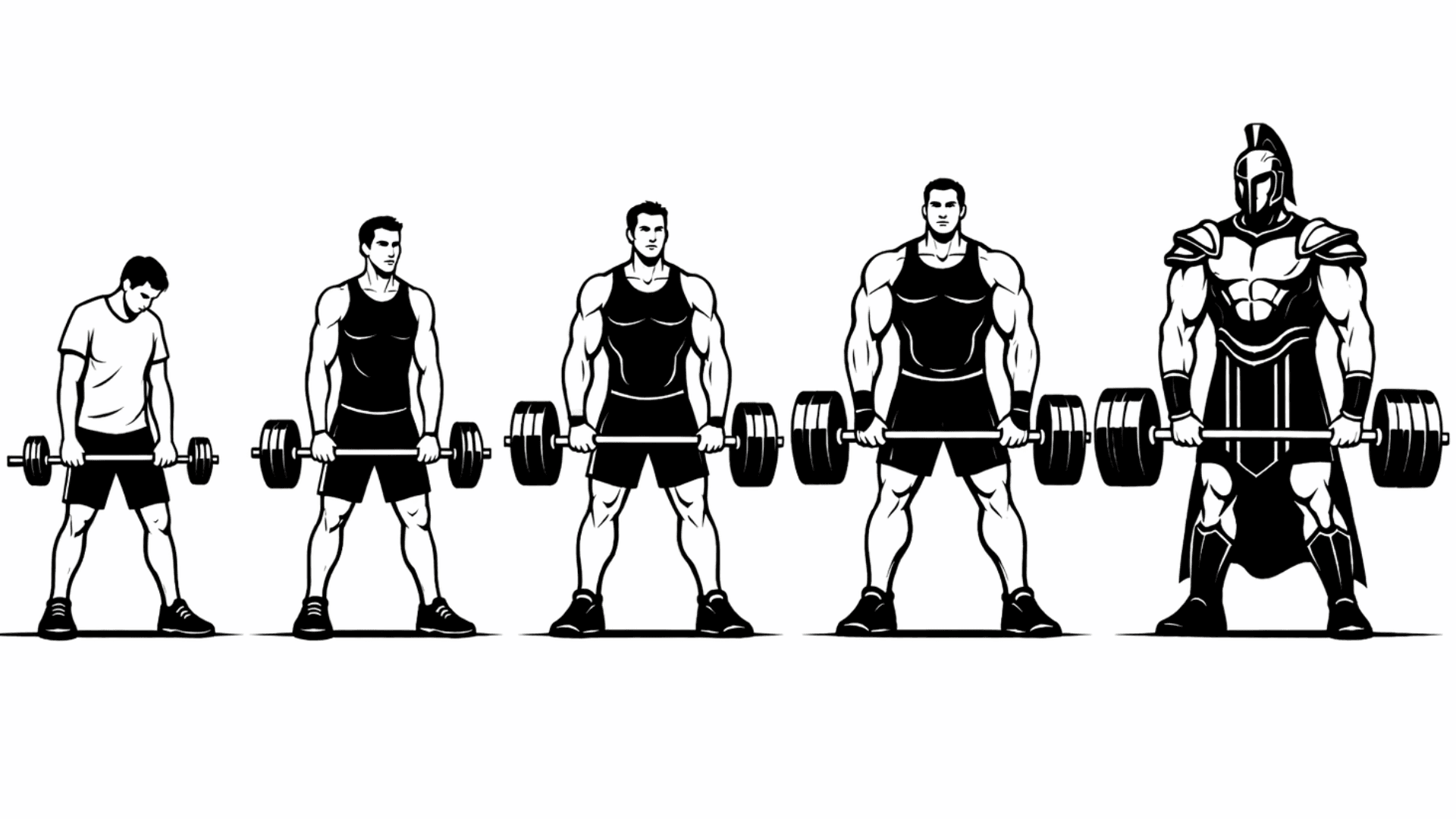
Wrestling strength is not bodybuilding. It is the ability to apply force from solid positions, repeat it under fatigue, and keep control. This guide breaks down the core strength qualities that matter for wrestling and shows how to train them with compound-first programming that beginners can actually follow.
TL;DR
- Posterior chain, grip, trunk strength, and isometrics are core wrestling qualities.
- Build them with squats, hinges, rows, carries, and simple holds.
- Keep accessories minimal so practice recovery stays high.
- Use small, consistent progression rules like linear progression.
- Power endurance comes from repeated quality efforts, not random circuits.
- If a lift does not improve mat positions, keep it simple and move on.
What to do this week
- Add one grip drill after your main lifts.
- Use one posterior chain accessory like RDLs or hip hinges.
- Keep the main lifts first and heavy enough for strength.
- Track bar speed and repeat weights if reps slow down.
- Review Wrestling Strength Training and Technique Priorities.
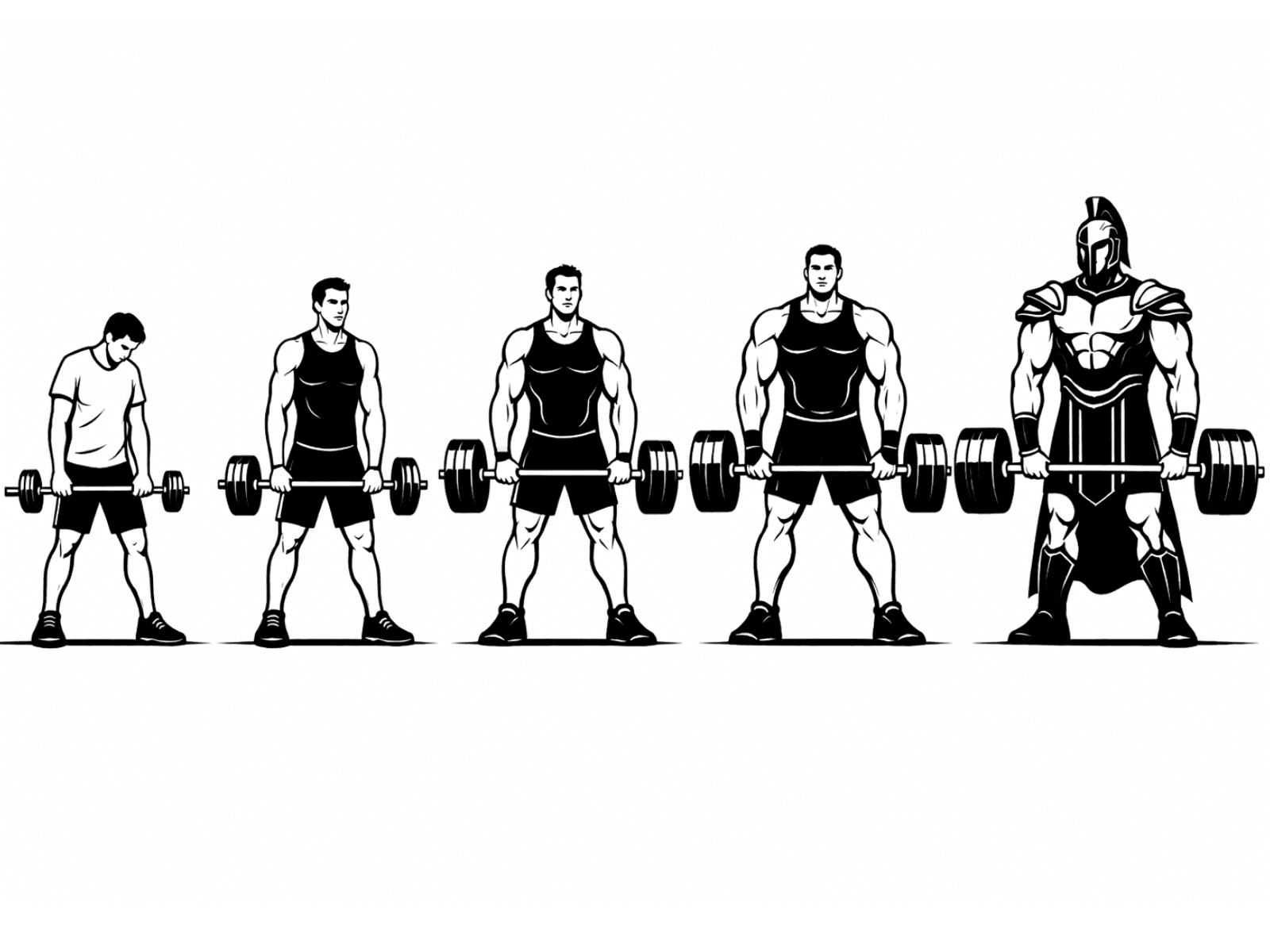
The strength qualities that matter most
1) Posterior chain strength
Hips and hamstrings drive sprawls, finishes, and positional control. Prioritize hinge patterns.
Best tools:
- Deadlift or trap bar deadlift
- RDLs or hip hinges
- Hip thrusts if you need extra glute work
2) Grip strength and endurance
Grip strength decides control in scrambles and hand fighting. Train grip with low volume, consistent work.
Best tools:
- Farmer carries
- Towel pull ups or rows
- Bar holds after deadlifts
You should know
If grip work makes your main lifts worse, reduce it. The main lifts still matter most.
3) Trunk strength and control
A strong trunk lets you transmit force without leaking energy. Train it with anti-rotation and carry work.
Best tools:
- Carries
- Planks and side planks
- Controlled rotation and anti-rotation work
4) Isometrics and position strength
Wrestling is full of pauses and holds. Train isometrics in safe, simple ways.
Best tools:
- Pause squats
- Pause rows
- Isometric holds in a strong position
5) Power endurance
Power endurance is repeated, high quality efforts. It is built with consistent lifting and short bursts, not long slow conditioning.
Best tools:
- Short sled pushes
- Short sprints after lifting
- Low volume jumps when fresh
Evidence note: Add sources on strength qualities and performance transfer for wrestling.
You should know
Power endurance is built on a base of strength. Do not chase conditioning at the expense of the main lifts.
How these qualities show up on the mat
Connecting strength to positions keeps training honest.
- Posterior chain strength supports sprawls, lifts, and finishing shots.
- Grip strength shows up in hand fighting and control on the mat edge.
- Trunk strength keeps you stable when you are pulled off balance.
- Isometrics show up when you are stuck in a position and need to hold.
- Power endurance helps you repeat hard exchanges late in a match.
If a training choice does not connect to these positions, keep it minimal.
Compound-first training map
Start with the main lifts, then add the smallest amount of accessories needed.
Main lifts
- Squat or front squat
- Deadlift or hinge
- Bench or press
- Row or pull up
Accessories
- Grip work
- Carries
- Light trunk work
This is why simple programs like Starting Strength and GZCLP work so well for wrestlers. They keep the focus on the big lifts.
How to train isometrics safely
Isometrics build position strength, but only if you use safe positions.
- Use pause squats or pause rows at strong, controlled positions
- Hold the position for 2 to 3 seconds, not long grinders
- Keep the load light enough to maintain good posture
Isometrics should reinforce positions, not create sloppy movement.
Power endurance without junk volume
Power endurance is repeated, high quality efforts. Keep it short and crisp.
- Short sled pushes or short hill sprints
- Low volume jumps when fresh
- One or two short rounds, not long circuits
You should know
If your conditioning leaves you too tired to lift or practice well, it is hurting your strength development.
Beginner weekly template
Use a three day plan so you can recover from practice.
Day 1
- Squat
- Bench
- Row
- Farmer carries
Day 2
- Deadlift
- Press
- Pull ups
- Light trunk work
Day 3
- Squat or front squat
- Bench
- Hinge accessory (RDL)
- Grip work
Keep each session under 60 minutes. If practice is heavy, drop one accessory and keep the main lifts.
Warm-ups and movement prep
Keep warm-ups short and focused so you are ready to lift without adding fatigue.
- 5 to 10 minutes of easy movement
- A few hip hinges, squats, and shoulder circles
- Then your normal ramp sets for the main lift
This keeps technique clean and protects recovery for practice.
Progression rules that work
- Add small weight jumps when reps are clean.
- If bar speed slows for two sessions, repeat the weight.
- Deload early if multiple lifts stall in the same week.
Read Linear Progression Explained and How to Deload if you need a refresher. If linear progression stalls, move to a simple plan like 5/3/1 for Beginners and keep the main lifts first.
Coach note
Consistent progression on the main lifts beats random exercise changes every time.
Accessories and conditioning boundaries
Accessories help, but too much volume ruins recovery.
Rules:
- Keep accessories under 15 to 20 minutes.
- Stop grip work if it reduces main lift quality.
- Keep conditioning short and separate from heavy lift days.
If you need a conditioning plan, use Conditioning Without Killing Strength.
In-season adjustments
During the season, reduce volume first. Keep the main lifts but cut accessory work.
- Lift 1 to 2 times per week.
- Keep sets low and reps clean.
- Focus on staying fresh for practice and matches.
See Wrestling Recovery In-Season for the full recovery plan.
Common mistakes
- Skipping main lifts for too many accessories.
- Using high volume grip work that ruins recovery.
- Chasing conditioning while strength stagnates.
- Changing exercises every week instead of progressing.
If you are new to lifting, ask a coach to check your setup once. A small correction early saves months of bad reps. Film one top set each week and compare bar path.
How to scale volume for beginners
Beginners improve fast, so you do not need high volume. The goal is to recover and add weight, not to chase exhaustion.
- Start with 2 to 3 work sets per main lift.
- Add volume only if progress stalls and recovery is strong.
- If practice volume rises, reduce lifting volume first.
This keeps the plan simple and protects your ability to train consistently. Consistency beats complexity every week.
Pillars Check
Wrestling strength improves when all three pillars support the plan.
Workout
- Keep compound lifts first and progress them slowly.
- Use accessories as small add-ons, not the focus.
Diet
- Eat enough to recover from practice and lifting.
- Keep protein and carbs steady during hard weeks.
Recovery
- Sleep keeps grip and power sharp.
- Deload before fatigue stacks for multiple weeks.
See the Workout, Diet, and Recovery pillars for deeper guidance.
Related reading
FAQ
How much grip work is enough?
One to two short grip sessions per week is enough for most beginners.
Do I need isolation exercises?
No. Compound lifts cover most needs. Use accessories only if they help a weakness.
Should I do heavy rows?
Yes, but keep volume reasonable during the season.
What if practice is very intense?
Reduce lifting volume and keep the main lifts only. Recovery comes first.
What should I read next?
Read Wrestling Strength Training and How to Deload.
Sources (to add)
Evidence note: Add citations on strength qualities, grip performance, and transfer to combat sports performance.
- Add source: Grip strength and combat sports performance.
- Add source: Posterior chain strength and athletic performance.
- Add source: Isometrics and strength retention.