Warm‑ups are not cardio. They are technique practice and nervous system preparation. A good warm‑up makes your work sets feel lighter, not harder. This post lays out a simple ramp method you can use for squat, bench, and deadlift.
TL;DR
- Use a ramp: light sets first, fewer reps as weight increases.
- Warm‑ups should rehearse technique, not create fatigue.
- The goal is to feel stable and ready before heavy work.
- Adjust the ramp based on how heavy your work sets are.
What to do this week
- Use a consistent ramp for each main lift.
- Keep the bar path and setup identical in warm‑ups and work sets.
- If warm‑ups feel heavy, reduce the load and tighten technique.
- Run a simple progression plan like Starting Strength or GZCLP.
Why warm‑ups matter for strength
Warm‑ups prime technique, joint positions, and nervous system readiness. They also reveal how you feel that day. If a warm‑up feels unstable, that is your signal to slow down and adjust.
Evidence note: Add sources on warm‑up effects and motor pattern rehearsal.
You should know
The best warm‑up is the one you can repeat every session. Consistency beats complexity.
The simple ramp method
Use this structure for most lifts:
- Bar only: 2–3 sets of 5
- Light load: 1–2 sets of 3–5
- Moderate load: 1–2 sets of 2–3
- Heavy single: 1 rep at ~90% of work weight
Then start your first work set.
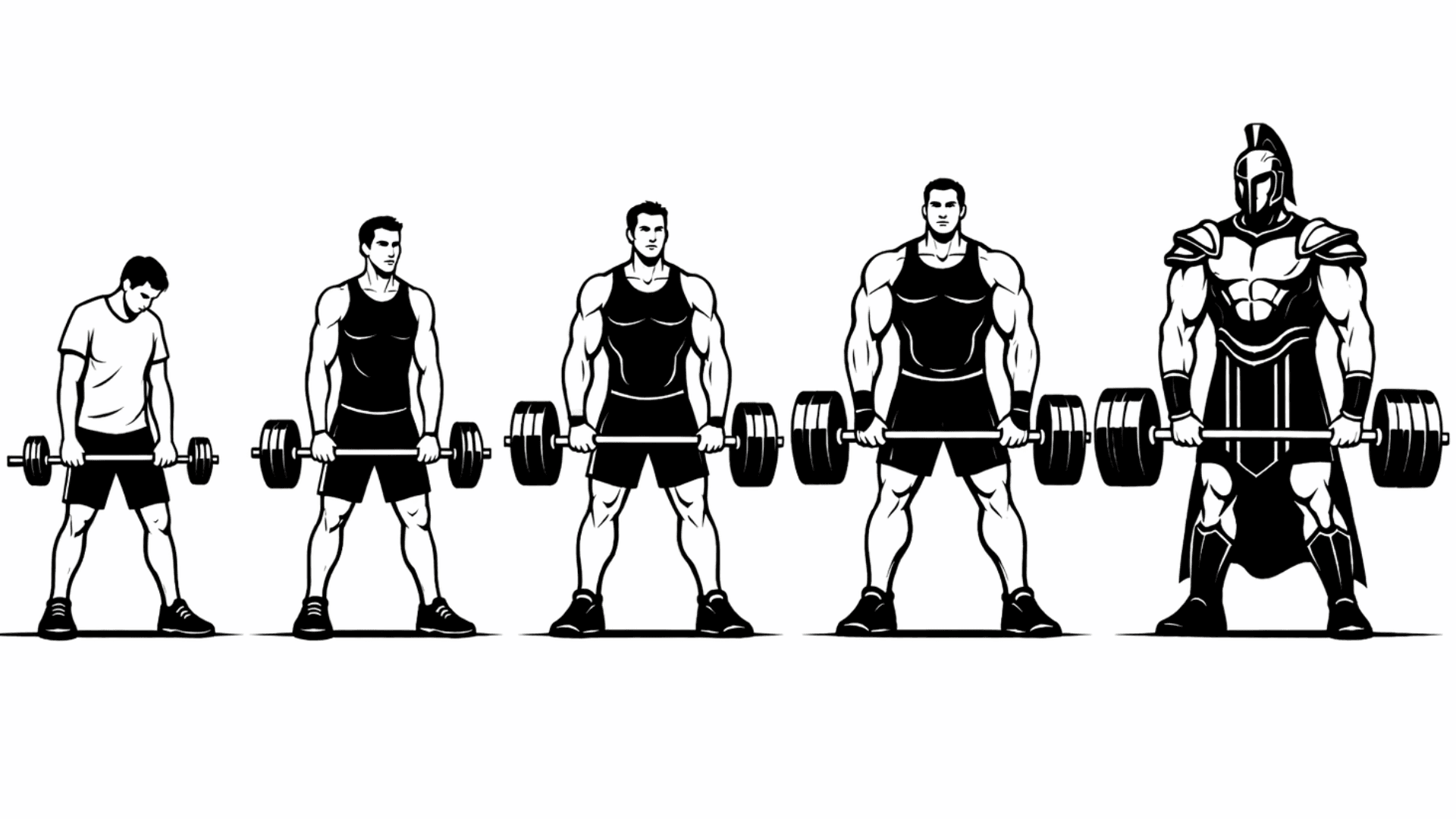
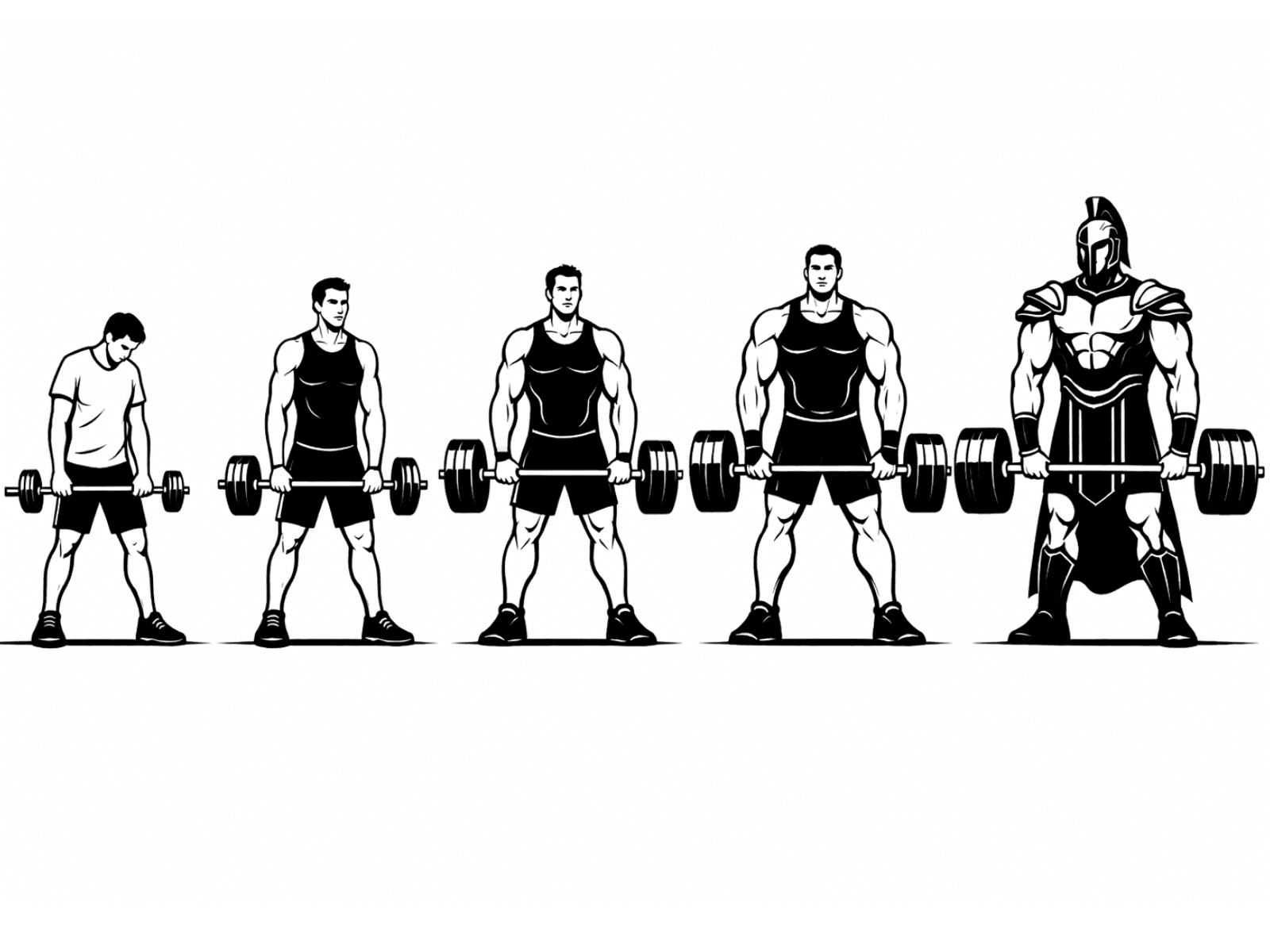
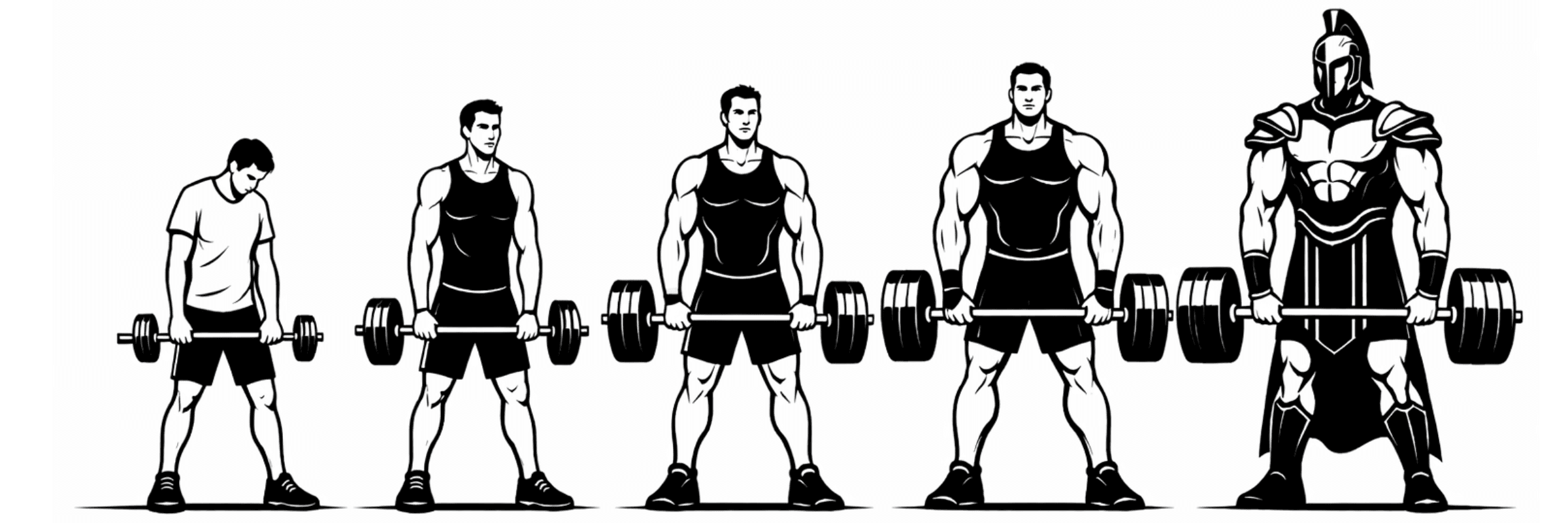
The exact numbers are less important than the pattern: lighter loads with more reps, heavier loads with fewer reps.
Example warm‑ups by lift
Squat
- Bar x 5, 5, 5
- 95 x 5
- 135 x 3
- 185 x 2
- 205 x 1
- Work sets
Squats are full‑body and fatiguing, so do more gradual jumps early on. Take more time to brace and set your stance.
Bench
- Bar x 8, 5
- 95 x 5
- 115 x 3
- 135 x 1
- Work sets
Bench warm‑ups are usually faster. Focus on consistent touch point and upper‑back setup.
Deadlift
- 95 x 5
- 135 x 3
- 185 x 2
- 205 x 1
- Work sets
Deadlifts are heavy and taxing. Keep the total warm‑up volume low and make each rep crisp.
How to adjust based on the day
Not every day feels the same. If your warm‑ups feel heavy or unstable:
- Reduce your first work set by 5–10%.
- Keep the same number of sets but focus on clean reps.
- Avoid chasing a PR when your warm‑ups feel off.
You should know
A “bad day” handled well is better than a forced PR that derails the next week.
How to adjust when work sets are heavy
As loads climb, you may need more ramp sets, but not more total reps.
- Add a heavier single if the first work set feels too sudden.
- Keep the early sets light and quick.
- Use fewer reps per warm‑up as you get closer to working weight.
Warm‑ups for different rep ranges
The ramp should match the type of work you are about to do.
If your work sets are low‑rep and heavy
- Use more small jumps.
- Keep reps low to avoid fatigue.
- Add one extra single before the first work set.
If your work sets are moderate reps
- Use fewer total sets.
- Keep the reps a little higher in the early warm‑ups.
- Skip the heavy single if you already feel ready.
The goal is always the same: show up to your work sets feeling prepared, not tired.
Warm‑ups for assistance and accessories
You do not need a full ramp for every accessory lift. A short prep set or two is enough.
- Use one light set of 8–10 reps.
- Use one moderate set of 5–6 reps.
- Then start your work sets.
Save your time and energy for the main lifts, especially on a novice program.
Warm‑ups when recovery is low
If you slept poorly or feel beat up, keep the warm‑up pattern but lower the top warm‑up weight. The goal is to test readiness, not to force a heavy day.
Practical rule:
- If a warm‑up at 80 percent feels slow, reduce the first work set by 5 to 10 percent.
- Keep the same number of sets, then move on.
This keeps technique clean and protects the next session.
If you feel stiff or cold
On cold mornings or after long sitting, add a brief movement prep before the ramp:
- 2–3 minutes of easy movement (walk, bike, or dynamic drills).
- A few bodyweight reps of the lift pattern.
- Then start the normal ramp.
Keep it short. The goal is to warm the joints and reinforce positions, not to tire yourself out.
When you are short on time
If you only have a few minutes, keep the ramp but reduce the total number of sets:
- Bar x 5, 5
- Light load x 3
- Moderate load x 2
- Work sets
The goal is still technique rehearsal and readiness, not fatigue.
If you are testing a new work weight, add one extra single at a slightly lighter load so the first work set does not feel like a shock.
A simple warm‑up checklist
- You feel stable in your setup.
- The bar path is consistent.
- You can brace without strain.
- The last warm‑up rep feels smooth.
If any box is not checked, repeat the last warm‑up weight before you start the work sets.
If all boxes are checked, start your work sets without extra volume. More warm‑ups are not better when you already feel ready.
Warm‑ups when learning a new lift
When a lift is new, your warm‑up is also your practice.
- Use more light sets and fewer heavy singles.
- Keep the focus on positions and bar path.
- Stop the ramp early if technique starts to drift.
You can add load faster once the movement feels automatic. Use video feedback if possible.
Common warm‑up mistakes
- Too many reps. Warm‑ups should not feel like work sets.
- Skipping the bar‑only sets. Bar‑only sets are where technique gets locked in.
- Huge jumps too early. Large jumps increase injury risk and reduce confidence.
- No plan. If you guess every session, you will often do too much or too little.
Coach note
If you are breathing hard before your work sets start, your warm‑up was too intense.
Pillars Check
Warm‑ups support all three pillars by improving training quality and recovery.
Workout
- Use the same warm‑up pattern every session to reinforce technique.
- Keep jumps small and reps clean.
Diet
- Fuel training with consistent meals so warm‑ups feel smooth, not sluggish.
- Hydrate before training so movement quality stays high.
Recovery
- Good sleep makes warm‑ups feel lighter and more controlled.
- If you are fatigued, adjust the work set instead of pushing through.
See the Workout, Diet, and Recovery pillars for deeper guidance.
FAQ
Do I need to warm up before every lift?
Yes. Even short warm‑ups help technique and reduce the chance of sloppy reps.
How many warm‑up sets are too many?
If you feel fatigued before the work sets, you did too many. Keep volume low.
Should I stretch before lifting?
Light mobility is fine, but do not replace ramp sets. Ramp sets are the real warm‑up.
Is a heavy single necessary?
It helps you feel the weight before work sets, but skip it if you are still learning technique.
What should I read next?
Which program should I use with this warm‑up?
Any program works, but linear progression plans like Starting Strength and GZCLP benefit the most.
Sources (to add)
Evidence note: Add citations for warm‑up effects on performance and injury risk reduction.
- Warm‑up and performance overview (source link to add).
- Resistance training preparation guidelines (source link to add).