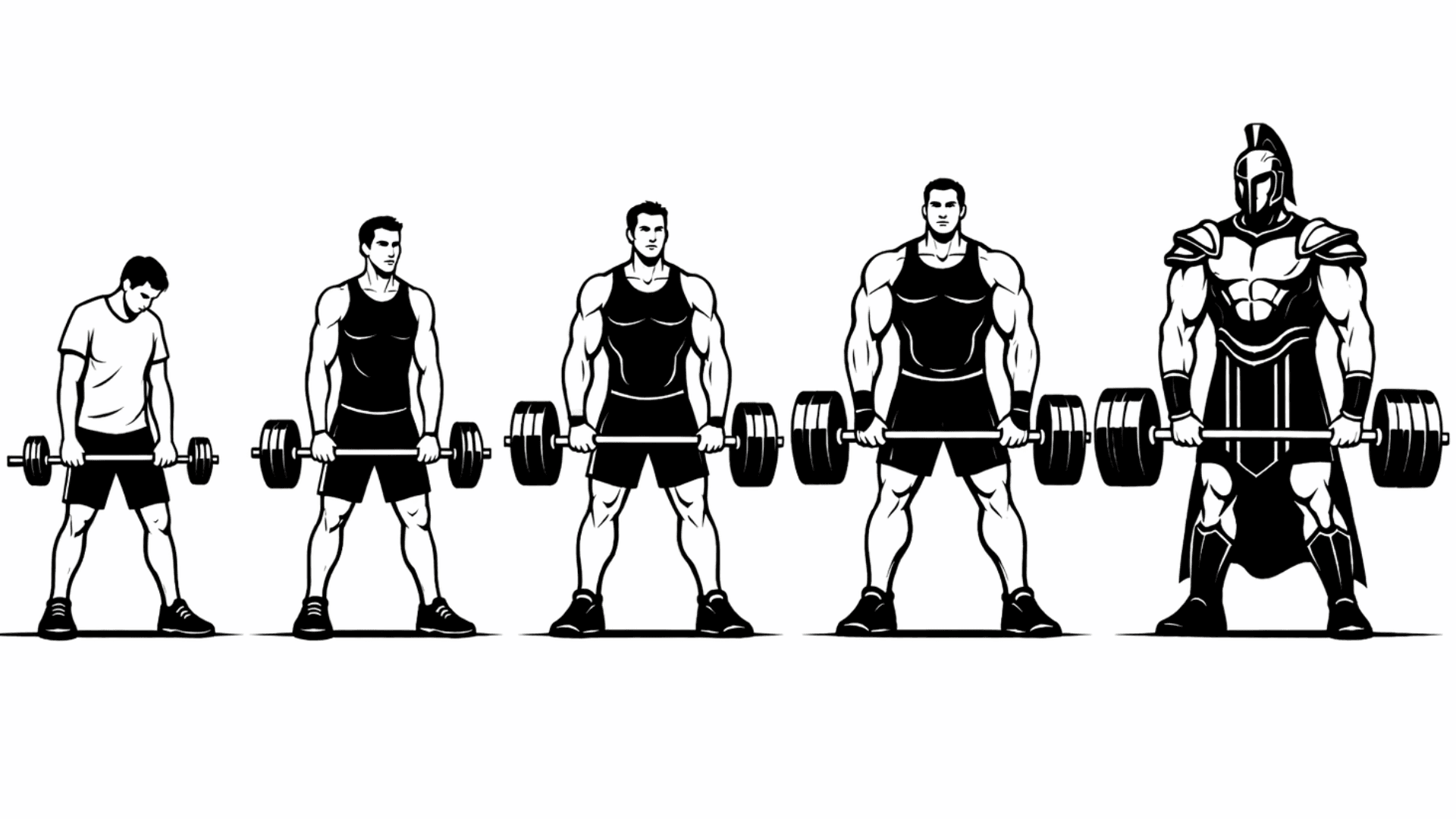
A lean bulk is not a race. The goal is to gain enough weight to support strength progress without overshooting and spending months cutting. This guide gives you a simple, sustainable approach.
TL;DR
- Use a small calorie surplus and track weekly body‑weight trends.
- Aim for slow, steady gain rather than aggressive jumps.
- Keep protein consistent and use carbs to fuel training.
- Adjust only after 2–3 weeks of data.
What to do this week
- Track your body weight daily and average it for the week.
- Add a small calorie surplus with one extra meal or snack.
- Keep protein consistent (see Protein for Lifters).
- Keep training steady on Starting Strength or GZCLP.
Why a lean bulk works best for strength
Strength gains require recovery and energy. A small surplus gives you the fuel to recover from heavy training without adding unnecessary fat. The result is more stable training and less time spent cutting later.
Evidence note: Add sources on weight‑gain rate recommendations and strength outcomes.
You should know
If your weight is not moving at all, you are not in a surplus. If it is moving too fast, your surplus is too large.
How fast should you gain?
A slow, steady rate is the safest and most sustainable. Use weekly averages, not single‑day weigh‑ins.
- Weigh yourself 3–7 times per week.
- Use the weekly average to evaluate progress.
- Adjust only after 2–3 weeks of consistent data.
Day‑to‑day fluctuations are normal. Use the weekly average so you do not chase noise. Use the same scale and time of day for weigh‑ins. Consistency beats a perfect calorie number.

How to build the surplus
You do not need a complex meal plan. Add 250–400 calories per day and track the result.
Simple options:
- Add a protein + carb snack after training.
- Increase portion size of a main meal.
- Add an extra meal if your schedule allows it.
Choose one change at a time so you can track what works.
You should know
The easiest surplus is the one you can repeat every day without tracking everything forever.
Estimating a surplus without tracking
If you do not want to count calories, use simple structure:
- Add one consistent snack every day for two weeks.
- Keep the rest of your meals the same.
- Watch the weekly weight trend and performance.
If weight does not move after two to three weeks, add another small carb serving. If weight jumps too fast, reduce the snack size. This approach is slow but reliable, and it keeps your meals predictable.
Weekends and consistency
Many lifters lose progress on the weekend. Two low‑intake days can erase your surplus for the entire week. The fix is simple:
- Keep a similar meal structure on weekends.
- Do not skip protein and carbs just because the schedule is different.
- If you eat out, add a protein‑heavy meal earlier in the day.
Consistency across seven days beats perfect tracking for two days.
Macro priorities for a lean bulk
- Protein: consistent daily intake (see Protein for Lifters).
- Carbs: fuel training and help recovery (see Carbs for Strength).
- Fats: include enough for hormones and satiety, but do not let them crowd out carbs.
If you struggle to eat more, use smaller meals more often rather than forcing huge portions. A small, repeatable snack is easier to sustain than a large, irregular meal.
How to know if it’s working
Use three simple checks:
- Training performance: Are your main lifts moving up?
- Weight trend: Is the weekly average rising slowly?
- Recovery: Are you ready for the next session within 48–72 hours?
If performance improves and weight trends upward slowly, keep the plan. If performance is flat and weight is flat, increase the surplus slightly. Give each change at least two weeks before you judge it.
When the scale and the bar disagree
Sometimes weight goes up but performance does not. This usually means one of two things:
- The surplus is too large and recovery is getting worse.
- Sleep and stress are limiting adaptation.
If weight rises fast but bar speed slows, reduce the surplus slightly and clean up recovery habits. If weight is stable but bar speed improves, keep the plan and give it more time.
You can also use simple performance markers:
- Do warm‑ups feel easier than last month?
- Are your top sets smoother, even if weight is similar?
- Are you adding reps at the same weight?
These signs often show progress before the scale does.
If you are underweight or returning after a cut
If you have recently dieted or lost weight, you may need a slightly higher surplus for a short period. The key is to keep the surplus controlled and tied to performance:
- Add calories gradually for two to four weeks.
- Keep protein consistent and increase carbs first.
- Use weekly averages so you do not overreact to water shifts.
Once training feels solid again, return to a smaller surplus to keep the gain slow and stable.
A simple sample day
Use a repeatable structure instead of a complex meal plan:
- Breakfast: Protein + carbs + fruit.
- Lunch: Protein + carbs + vegetables.
- Post‑training snack: Protein + quick carbs.
- Dinner: Protein + carbs + vegetables.
The exact foods can change, but the structure stays the same. Consistency is the goal.
What if you gain too fast or too slow?
Too fast: reduce portions slightly and hold for two weeks. Too slow: add one extra carb serving per day.
Make one change at a time and measure the weekly average before changing again.
Common mistakes
- Gaining too fast. This adds fat and reduces training quality.
- Changing calories every week. Use 2–3 weeks of data before you adjust.
- Ignoring performance. If your lifts are stalling, your surplus is not helping.
- Skipping recovery. Poor sleep undermines the whole plan.
For recovery support, review Sleep for Lifters and Stress and Strength.
Pillars Check
A lean bulk only works if all three pillars stay aligned.
Workout
- Train with progressive overload and track weekly progress.
- Keep the main lifts consistent so you can measure change.
Diet
- Use a small surplus and consistent protein intake.
- Keep carbs high enough to fuel heavy training.
Recovery
- Sleep enough to turn extra calories into training adaptation.
- Manage stress to avoid training plateaus.
See the Workout, Diet, and Recovery pillars.
When to move on
If body‑weight gain is consistent but performance is not improving, adjust training structure. A slower progression model like 5/3/1 can help you turn extra fuel into long‑term strength.
FAQ
How long should I lean bulk?
Long enough to see steady strength progress without excessive fat gain. Review every 8–12 weeks.
Can I lean bulk without tracking calories?
Yes. Track body‑weight trends and make small changes to meal size instead of counting everything.
What if I gain too fast?
Reduce your daily intake slightly and hold it for two weeks before re‑evaluating.
Should I add conditioning while bulking?
Light conditioning is fine if it does not interfere with recovery or strength progress.
What should I read next?
Review Protein for Lifters and Carbs for Strength.
Sources (to add)
Evidence note: Add citations on weight‑gain rate and strength performance outcomes.
- Lean bulk guidance overview (source link to add).
- Energy balance and training performance (source link to add).